news
Cleveland Leaders Unveil Traffic Management Strategies to Reduce Congestion
City leaders and transportation specialists outline approaches to congestion and mobility without committing to specific upcoming projects.
How we reported this
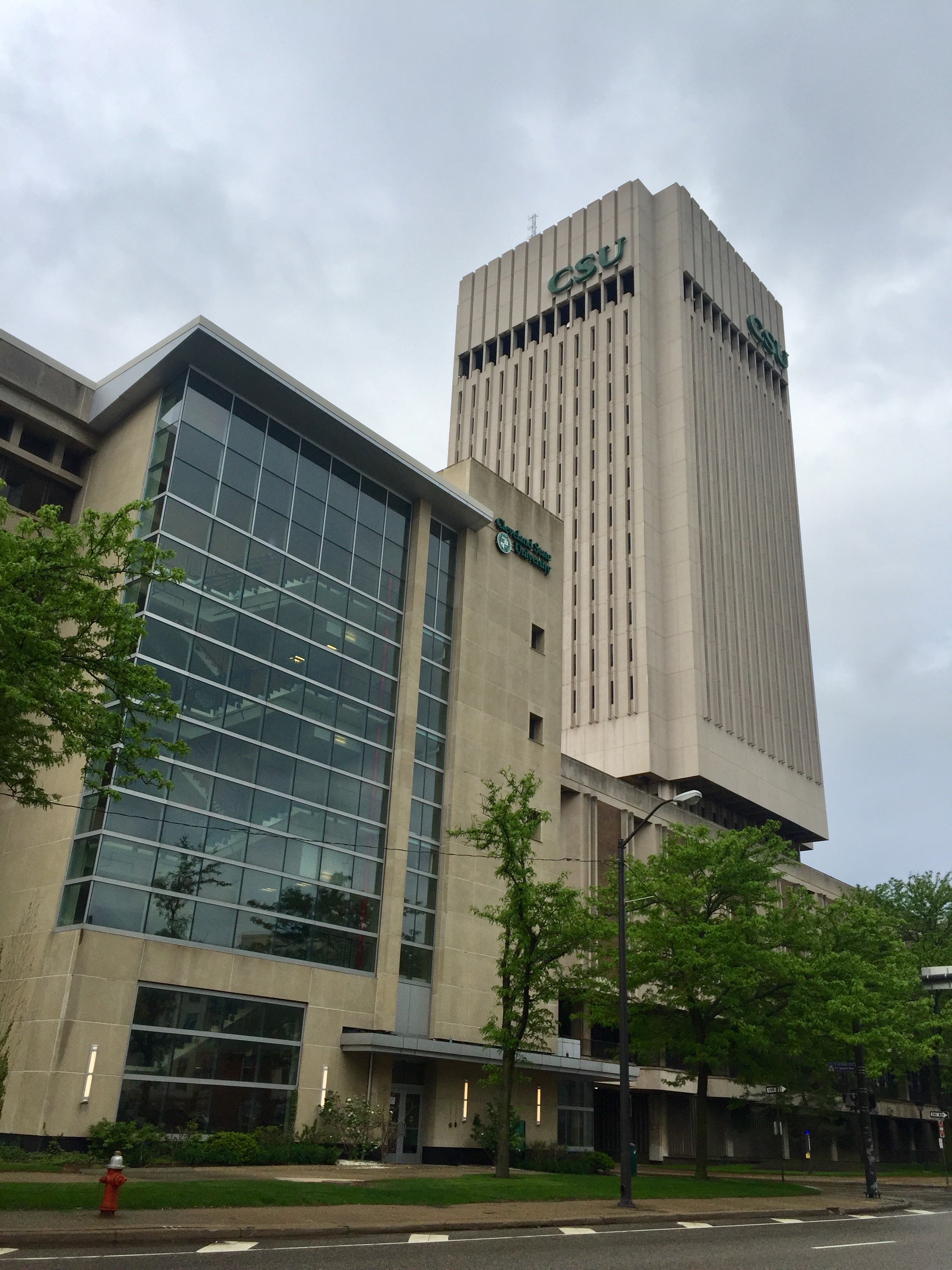
City officials and transportation experts in Cleveland continue to discuss strategies for handling traffic patterns across the region as daily commutes and freight movement remain central concerns.
The conversations matter because Cleveland serves as a hub for both local residents traveling to work and goods moving through Ohio. Broader national developments in shipping and security can influence regional logistics, prompting local figures to weigh in on how best to maintain steady movement without major disruptions.
Perspectives from Local Leadership
Representatives from municipal offices describe traffic management as an ongoing priority that requires coordination among multiple agencies. They note that qualitative improvements in signal timing and route planning have been part of recent talks, though no new numerical targets or timelines have been released in public statements. Discussions emphasize keeping freight corridors functional while supporting everyday driver needs in neighborhoods throughout the city.
Transportation specialists add that data from routine monitoring helps identify pressure points, allowing for adjustments based on observed patterns rather than sudden overhauls. These experts stress collaboration with state-level partners to align local efforts with wider Ohio infrastructure goals.
Input from Specialists and Analysts
Analysts focused on urban mobility point out that Cleveland faces similar pressures to other Midwest cities where industrial activity and residential growth intersect on shared roadways. They highlight the value of public input sessions where residents describe real-world delays, which in turn informs expert recommendations on incremental changes such as better signage or alternative routing suggestions.
Key figures involved in these exchanges avoid forecasting exact dates for policy shifts and instead describe a process of steady evaluation. They encourage drivers to consult official city resources for current conditions and to consider flexible travel times where possible.
Practical steps include monitoring updates from the city transportation department and participating in scheduled public forums to contribute observations. Officials indicate these channels will remain the primary way for residents to stay informed as discussions proceed.