lifestyle
Cleveland Gardeners: Master Weeds and Watering for July Success
Strategies for effective weed management and essential hydration to keep your outdoor spaces flourishing through July.
How we reported this
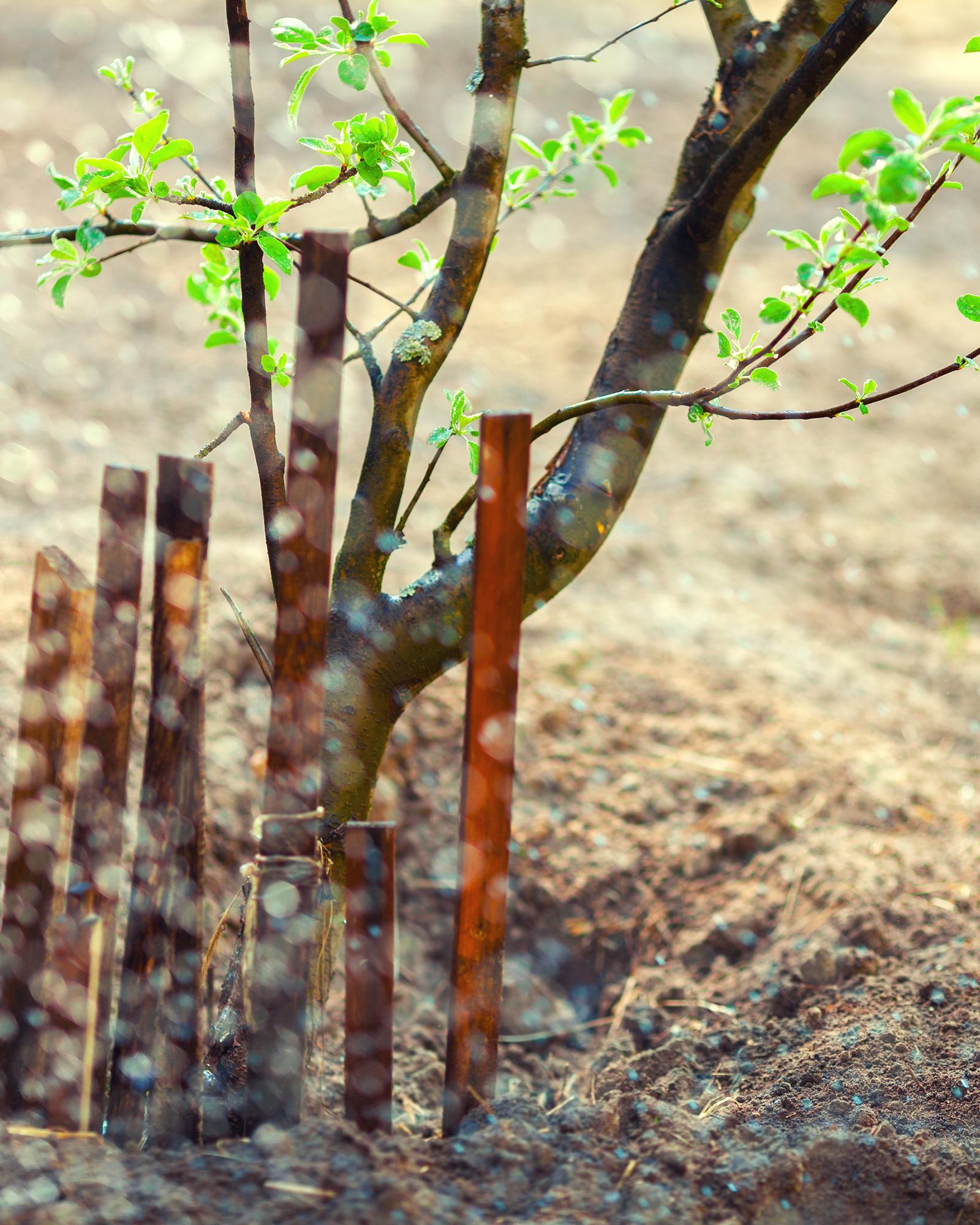
As the peak of summer settles over Cleveland, local gardens require consistent attention to navigate the challenges of the season. Managing soil moisture and preventing unwanted growth are critical tasks for residents aiming to maintain a healthy landscape during the heat of July. By focusing on fundamental maintenance techniques, gardeners can ensure their plants remain resilient despite the rising temperatures.
Effective Weed Control and Mulching Strategies
One of the most persistent issues for Cleveland gardeners in mid-summer is the rapid emergence of weeds. According to verified regional gardening guidance, the most effective approach is to pull weeds by hand as soon as they appear, preventing them from establishing deep roots. Additionally, applying a layer of mulch to flower beds is an essential step to suppress new growth. When applying this material, it is important to be mindful of plant health: avoid packing dyed mulch directly against the base of plants. Instead, experts recommend feathering natural hardwood mulch away from the plant stem to prevent moisture buildup and potential rot.
Mastering Hydration and Watering Techniques
Proper irrigation remains a primary concern for maintaining a vibrant yard in Ohio. Gardens and lawns generally require 1 inch of water per week to remain healthy throughout the drier summer weeks. To measure rainfall effectively without specialized equipment, gardeners often use a simple tuna can placed in the garden as a gauge. This low-tech method provides a reliable way to determine if additional manual watering is necessary to meet the weekly moisture requirement.
Best Practices for Planting Seedlings
For those looking to expand their garden beds during the season, the technique used for planting seedlings is crucial for long-term survival. When transplanting, dig a hole that is 2-3 times wider than the plant and ensure it is 3/4 as deep as the root ball. Once the seedling is positioned, backfill the remaining space with a mixture of planting soil and earth. This method provides the necessary aeration and nutrients for roots to establish themselves securely in the soil, which is particularly important given the region's climate conditions.
Produced with AI assistance and reviewed against our editorial standards. Sources are linked where available. Spotted an error or need a correction? Contact [email protected].