lifestyle
Cleveland Expands Mental Health Services, Cuts Costs for Residents
Recent increases in funding and new programs across the city are making mental health support more accessible and affordable for Cleveland residents.
Listen in English · 4 min
How we reported this
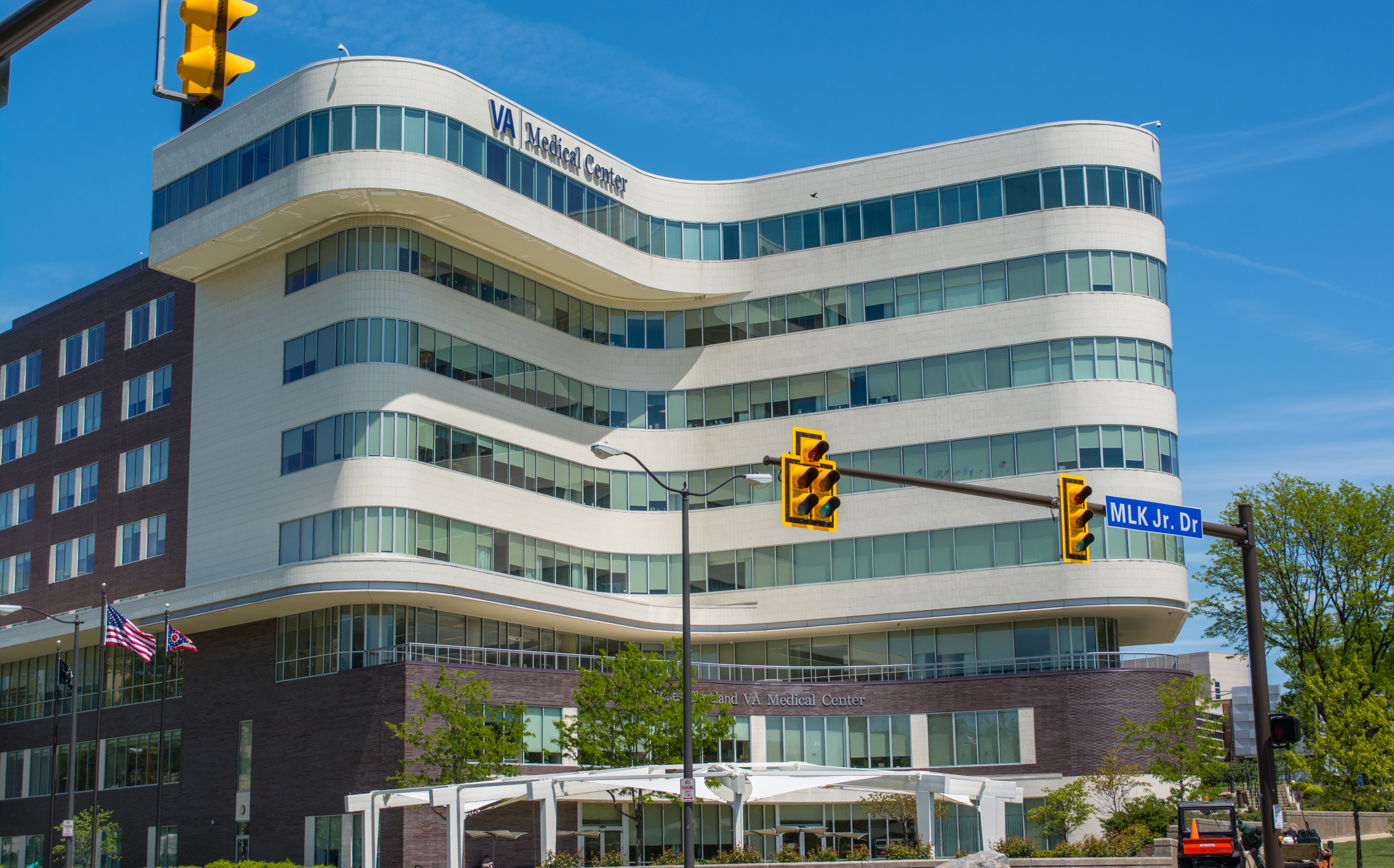
This summer, Cleveland residents have seen a marked improvement in mental health resources as the city implements new funding allocations and innovative programs aimed at expanding access and lowering costs. These changes are already drawing positive responses from local users and healthcare providers alike.
With the ongoing mental health crisis intensified by recent economic strains and pandemic aftereffects, Cleveland officials recognized the urgent need to enhance support systems. According to the National Alliance on Mental Illness, one in five adults annually experiences mental illness, making reliable and affordable access essential. The city's response includes investments targeting underserved neighborhoods and outreach to at-risk populations.
New Programs Target Underserved Neighborhoods
The Greater Cleveland Mental Health Initiative, headquartered near Ohio City on West 25th Street, recently launched a mobile crisis intervention unit that serves residents in East Cleveland and Fairfax, neighborhoods previously underserved by traditional clinic-based services. This unit operates seven days a week, providing on-site crisis counseling and connecting individuals to follow-up care.
Additionally, St. Luke’s Wellness Center in Tremont has introduced a sliding-scale fee structure coupled with teletherapy sessions, a pivot designed to break down socioeconomic and logistical barriers. Since its launch in April, the center reports a 35% increase in patient engagement, particularly from young adults seeking confidential, flexible options.
Data Reflects Growing Impact and Hope for Future Expansion
Data released by Cleveland's Department of Public Health shows that mental health service utilization across city-funded programs rose by 22% in the first half of 2026 compared to the same period in 2025. More notably, emergency room visits related to mental health crises decreased by 8% in adjacent hospitals, including Cleveland Clinic’s main campus on E. 105th Street, suggesting that early intervention is proving effective.
The city allocated $15 million in the latest municipal budget to further strengthen mental health infrastructure, including funding new peer support networks and expanding school-based counseling services at Cleveland Metropolitan School District campuses, an initiative backed by community groups like Mental Health America of Northeast Ohio.
For Cleveland residents seeking support, city officials recommend visiting the Cleveland Mental Health Access Portal online, where users can quickly find nearby clinics, counseling services, and emergency contacts. Local libraries, including the main branch on Superior Avenue, have partnered with mental health organizations to provide informational workshops and resource guides throughout the summer.